

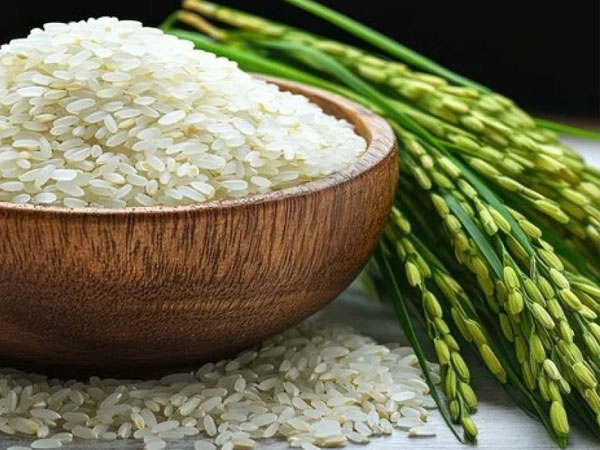
 Bangladesh’s agricultural transformation has long been recognized as one of the nation’s greatest development achievements. Over the past several decades, the nation moved from chronic food shortages to surplus in rice production.
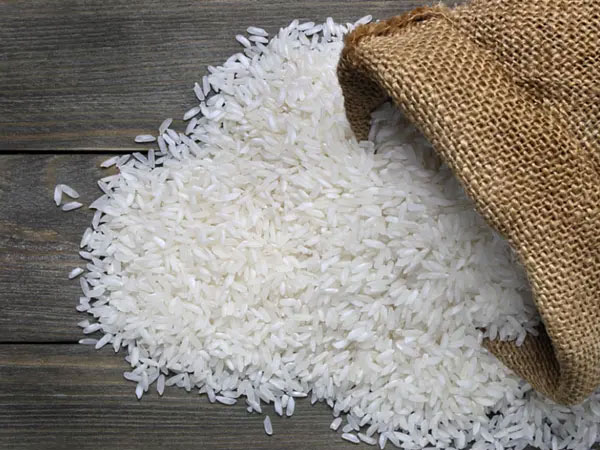
Rice remains the backbone of Bangladesh’s food security, feeding more than 170 million people and supporting the livelihoods of millions of farming families. Through investments in irrigation, agricultural research, improved varieties, fertilizers, machinery, and farmer support programs, Bangladesh succeeded in dramatically increasing rice production and reducing hunger. But this success is now under growing threat. The evidence is mounting.
Bangladesh’s population is increasing by nearly two million every year. To meet the food demand of this extra million, the country needs around 0.3 million tons of additional rice annually.
This means rice production must continue to grow steadily under the shrinking natural resources (land, soil, water) just to maintain current levels of food security. Any major decline in rice production therefore creates serious pressure on the national food system.
This year, Boro production may decline by 1.4-1.5 million tons. This is not only a major loss for farmers, but also a serious warning for national food security.
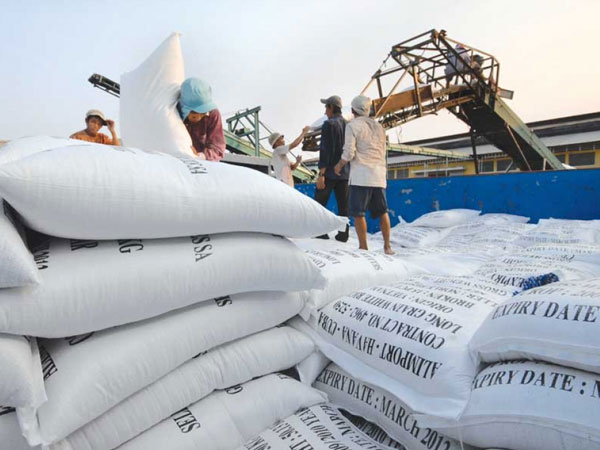
Newspaper reports say, more than 1.5 million tons of rice have already been imported in the current fiscal year, indicating the vulnerability of the country’s food situation. The message is clear: The country’s rice bowl is under pressure.
Climate change is already eroding the foundations of Bangladesh’s agrifood system. Extreme weather is rapidly becoming the new normal. Recent analyses of climate and agricultural data conducted by me and my colleagues reveal a worrying reality.
Bangladesh loses, on average, nearly 240,000 metric tons of rice annually due to climate-related disasters and extreme weather events.
In particularly severe years, losses have surged to as high as 1.6 million tons. These are not merely numbers in a report. They represent lost incomes for farming families, higher food prices for consumers, and increasing pressure on national food security.
Weather forecasting revealed that an El Niño event is expected to influence Bangladesh’s climate this year, potentially bringing higher temperatures, prolonged heatwaves, irregular monsoon rainfall, and increased drought risk.
These changes may disrupt Aus and Amanrice cultivation. If crop production declines significantly, Bangladesh may face greater food security concerns, including higher rice imports, rising food prices, and increased pressure on foreign exchange reserves.
However, this stress is not only from climate change and natural disasters, but also from policy inactiveness and delayed decision-making.
Weak coordination among institutions, slow implementation of climate adaptation measures, inadequate investment in water management, limited support for research and innovation, and the absence of timely market interventions have made the rice production system more vulnerable.
Many long-term policy reforms remain either unfinished or poorly enforced. As a result, farmers are facing growing uncertainty, while the country’s overall food security is becoming increasingly fragile.
The sharp increase in fuel and fertilizer prices in both international and domestic markets has significantly affected rice production in Bangladesh. Higher fuel prices have raised the cost of irrigation, land preparation, harvesting, and transportation, making rice cultivation more expensive for farmers.
At the same time, the rising prices of chemical fertilizers have forced many small and marginal farmers to reduce fertilizer application or delay its use, which directly affects crop growth and yield.
As production costs continue to rise while market returns remain less and uncertain, many farmers are becoming discouraged from investing adequately in rice farming, ultimately contributing to lower productivity and increasing risks to national food security.
The rapid expansion of modern agricultural machinery has transformed rice farming, but at the same time the availability of rural agricultural labour has suddenly declined. As the system remains highly dependent on imported machines, spare parts, and fuel, making rice production vulnerable to global market fluctuations.
Many agricultural workers have also shifted to non-farm jobs such as rickshaw and van pulling, construction, and urban informal work. While machinery reduces labour demand during normal seasons, adverse weather conditions -- such as floods or muddy fields where machines cannot operate - create sudden labour shortages and sharp wage hikes, reflecting a complex on-and-off labour crisis that is partly real and partly driven by seasonal labour mobility and market speculation.
That leaves farmers puzzled and discouraged by rice cultivation. This year, harvesting wages in many areas rose to around Tk 1,000-1,200 per day, substantially increasing production costs, delaying harvest operations, and adding further uncertainty to rice production and national food security.
Ensuring fair prices for farmers’ rice is now extremely important. Production costs are rising continuously; the high prices of fertilizers, diesel, labour, irrigation, and pesticides are reducing farmers’ profit margins.
By selling two maunds of paddy, a farmer still cannot pay the wages of a single rice-harvesting labourer. If farmers do not get fair prices for rice, they will gradually lose interest in rice cultivation and might reduce production. This could lead to lower rice production in the future, threatening the country’s food security.
The combined effect, or even any one of the challenges mentioned above, could gradually push the country toward food insecurity by reducing rice production, increasing food prices, and weakening farmers’ willingness to continue rice cultivation.
Scientific evidence is becoming increasingly clear that these risks in Bangladesh will intensify in the coming years, raising a critical question: Can Bangladesh sustain its food security achievements under these changing situations? The answer will depend largely on how quickly and effectively the country meets these challenges.
The country still has an opportunity to act. By investing in resilience, embracing innovation, strengthening science-based policies, and ensuring accountable implementation, Bangladesh can protect its rice sector and secure its food future.



© Copyright 2025 The SSResource Media.
All rights reserved.