

 Rising tensions between Iran and Israel are sparking fresh concerns in global energy markets. For India, the real worry is not direct military involvement but the risk of an energy shock that could quietly strain household budgets. If the conflict escalates and disrupts oil supplies, the impact may soon be felt in Indian kitchens through higher LPG cylinder rates, costlier transport, and rising food prices.
Iran-Israel Conflict: Could Rising Oil Prices Push Up LPG, Rice & Other Kitchen Item Rates in India?
India imports nearly 90 percent of its crude oil requirement from overseas markets, making it highly vulnerable to volatility in global prices. While Iran itself is one of the world's largest oil and gas producers, India's current oil supplies mainly come from countries such as Iraq, Saudi Arabia, Kuwait and the United Arab Emirates (UAE).
A significant portion of these shipments passes through the strategically crucial Strait of Hormuz, a narrow sea corridor through which around 20 percent of global oil and liquefied natural gas (LNG) supplies move. Any disruption or threat to shipping in this route can quickly push up crude oil prices worldwide. Experts estimate that if crude prices climb by $10 per barrel, India's annual import bill could rise by $13-14 billion. Such an increase would widen the current account deficit and put additional pressure on the rupee, potentially weakening it further against the US dollar. A weaker rupee, in turn, makes imports even more expensive, compounding the problem.
For households, the ripple effects can be immediate. Higher crude oil prices typically translate into increased petrol and diesel rates. When transport fuel becomes expensive, the cost of moving goods across the country rises. This leads to higher logistics expenses for essential commodities, including vegetables, grains, milk and packaged foods. Over time, these added costs are passed on to consumers in the form of rising retail inflation. Cooking gas prices are also closely linked to global energy trends. A sustained spike in crude and LNG prices could put pressure on LPG cylinder rates, directly affecting monthly household budgets. For middle-class and lower-income families, even a moderate increase in LPG prices can significantly strain expenses.
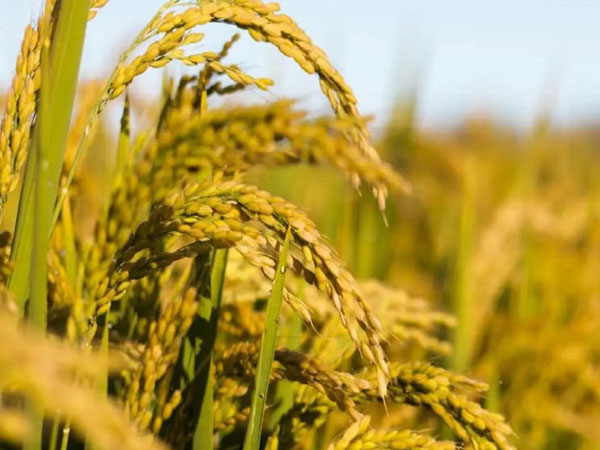
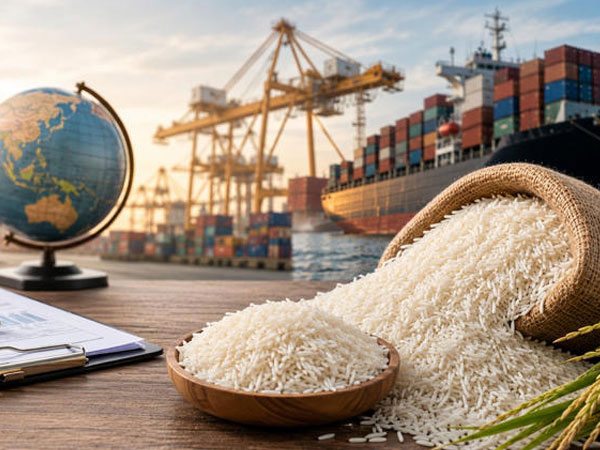
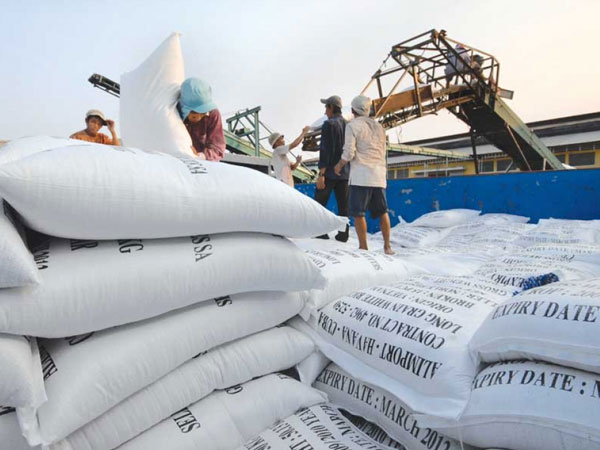
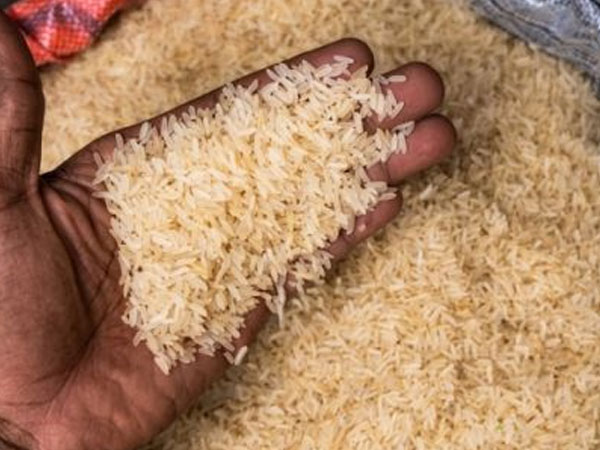
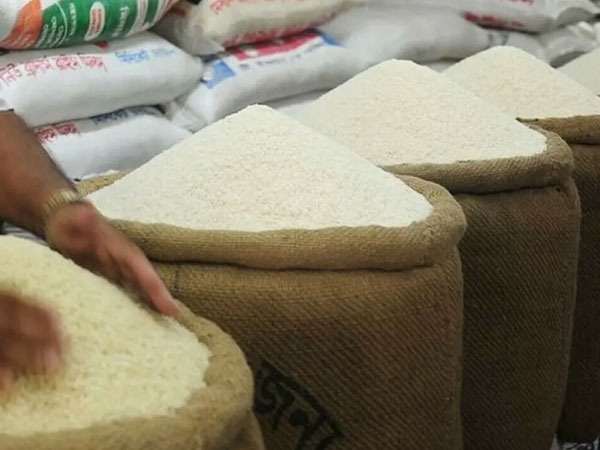
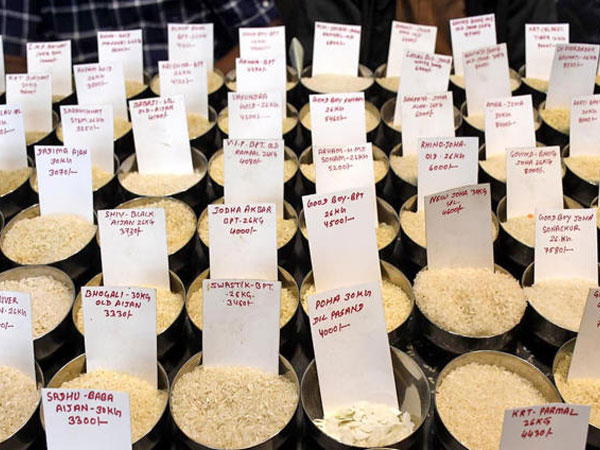
The impact may not stop at fuel and transport. Iran is a major buyer of Indian basmati rice, accounting for roughly 25 percent of total exports in this category. If geopolitical tensions disrupt trade or payment mechanisms, Indian exporters could face uncertainties. This may affect domestic supply chains and pricing dynamics, depending on how the situation unfolds. "The ongoing Iran-US tensions have the potential to increase volatility across global energy and commodity markets, particularly crude oil. For India, which remains a large importer of energy, sustained higher oil prices can widen the current account deficit, put pressure on inflation, and influence currency stability," said Prashant Mishra, founder and CEO, Agnam Advisors. In essence, while India may not be directly involved in the conflict, the economic consequences of a prolonged Iran-Israel crisis could seep into everyday life. From LPG cylinders to grocery bills, the Indian kitchen could feel the pressure if global oil markets remain volatile. Much will depend on how long tensions persist and whether critical supply routes remain secure. Disclaimer: The views and recommendations expressed are solely those of the individual analysts or entities and do not reflect the views of Goodreturns.in or Greynium Information Technologies Private Limited (together referred as "we"). We do not guarantee, endorse or take responsibility for the accuracy, completeness or reliability of any content, nor do we provide any investment advice or solicit the purchase or sale of securities. All information is provided for informational and educational purposes only and should be independently verified from licensed financial advisors before making any investment decisions.




© Copyright 2025 The SSResource Media.
All rights reserved.