

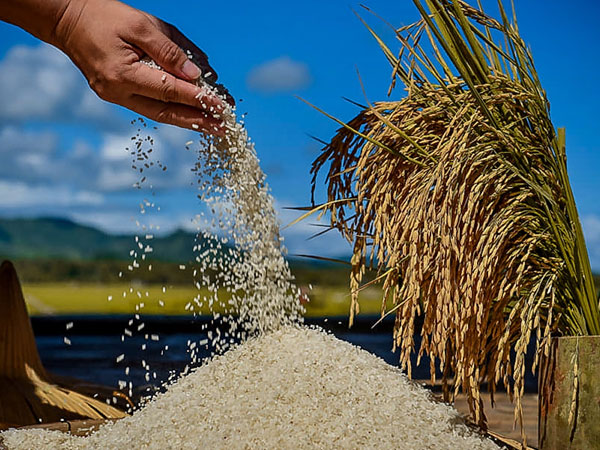
 MANILA, Philippines – The government’s imposition of a P50-per-kilogram price ceiling on imported rice drew mixed reactions from some industry groups.
“It is almost the tail end of the harvest season so farmers will generally not be affected by the imposition of the price cap,” Raul Montemayor, Federation of Free Farmers national manager, said in a Viber message on Wednesday.
Montemayor, however, said that actual buying prices of palay (or unmilled rice) could decline if farmers accounted for their added fuel, logistics and other costs in their pricing.
“Also, if import prices remain low, they will directly affect prices in the wholesale market which also absorbs most of the local rice. This could lead to lower palay prices even if retail prices remain at P50 per kilo,” he added.
The Samahang Industriya ng Agrikultura (SINAG) said it is “too early” to determine the price ceiling’s impact since farmers have already harvested their produce.
“The price cap on imported [rice] is a continuing admission (prior to the price cap was the imposition of MSRP [maximum suggested retail price]) on the failure of unprecedented level of importation have not benefited our consumers,” Jayson Cainglet, Sinag Executive Director, said.
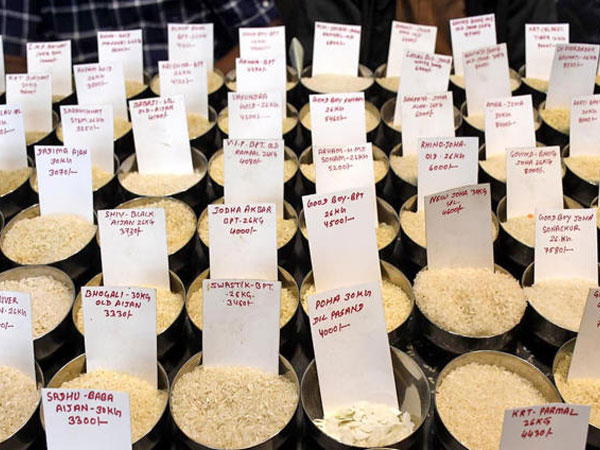
Montemayor flagged that imported rice has been sold in the markets for P55 to P60 per kilo since the import ban was lifted in January.
Citing data from the Bureau of Customs, he said 5-percent broken imported rice costs only about P27 per kg (landed cost plus tariffs), while fragrant rice such as Vietnam’s Dai Thom 8 variety costs only P30.68 a kilo.
DA’s price monitoring showed that imported rice in Metro Manila markets retailed from a low of P42 per kilo to a high of P62 per kilo as of May 12.
This was higher than the selling price of P35 to P60 per kilo recorded by the agency on January 1 this year.
“The failure of the government to arrest profiteering promptly could be a major reason for the high rice inflation figures registered in April,” Montemayor said.
Cainglet said the delay and the minimum impact in the distribution of production subsidies cause a “bigger concern” among rice farmers, adding that “a growing percentage of rice farmers” are choosing not to plant in the next cropping season.




© Copyright 2025 The SSResource Media.
All rights reserved.