

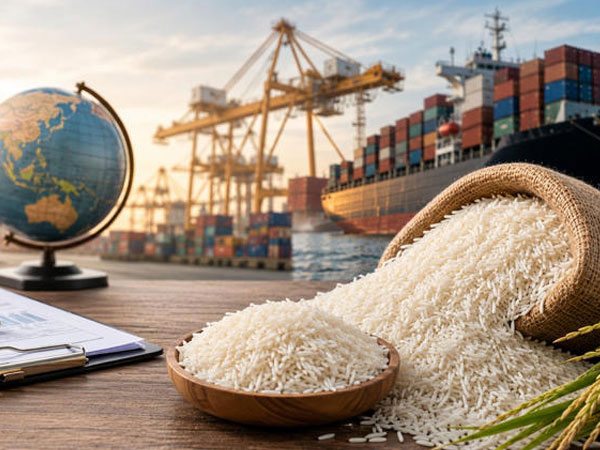
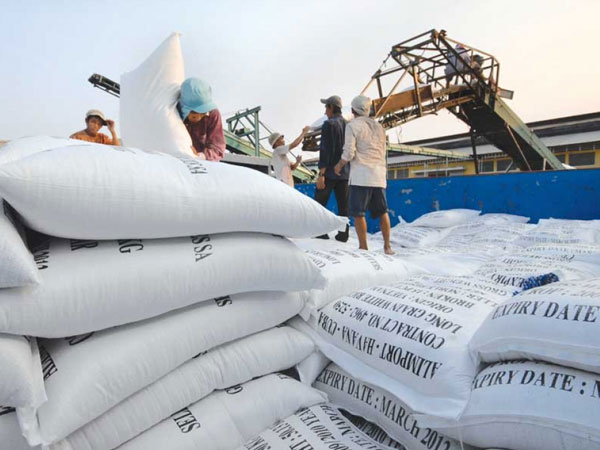
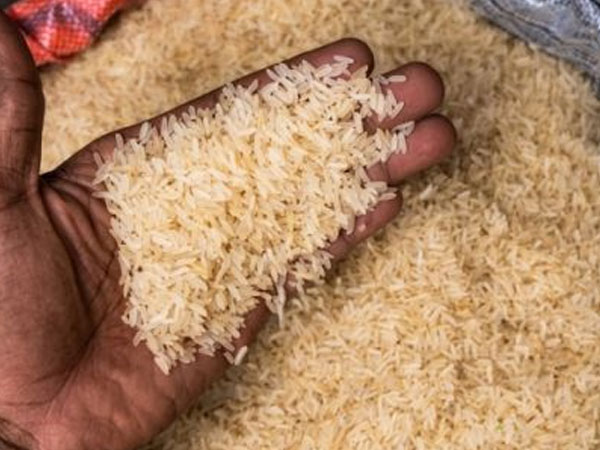
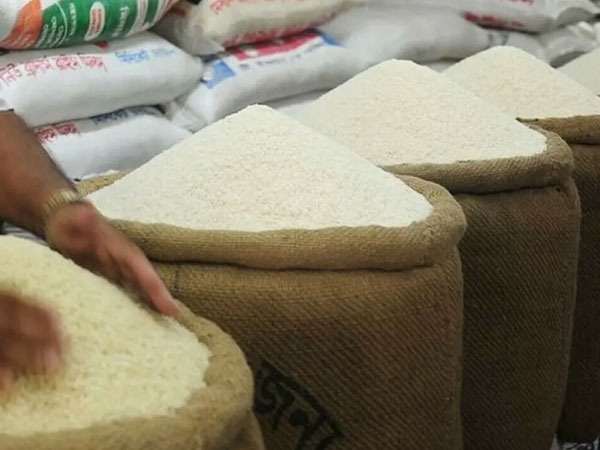
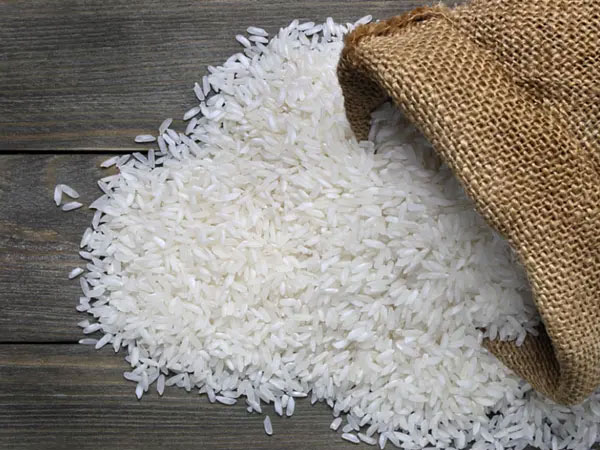
 On June 29, the Indonesian National Logistics Agency announced that it had prepared 200,000 tons of premium rice for export to several international markets, including Malaysia, Singapore, and the United Arab Emirates (UAE).
This move comes as the Indonesian government's rice reserves have exceeded the capacity of national storage facilities.
Speaking to reporters in Jakarta, the Director of Indonesia's National Logistics Agency, Ahmad Rizal Ramdhani, said the agency currently has 200,000 tons of premium 5% broken rice in reserve and can deliver it immediately upon request. Specifically, Indonesia's export plan includes 200,000 tons to Malaysia, 10,000 tons to Singapore , and 50,000 tons per month to the UAE. In addition, the National Logistics Agency is also aiming to expand its market to neighboring countries such as Timor-Leste and Papua New Guinea.
The plan to explore international markets received a strong boost following a bilateral meeting between Indonesian Agriculture Minister Andi Amran Sulaiman and Singapore's Minister for Sustainable Development and Environment, Grace Fu, on June 29th. At the meeting, Indonesia officially proposed exporting 10,000 tons of rice to Singapore and establishing a new cooperation framework connecting Indonesian state-owned enterprises with Singaporean private partners. Besides rice, Indonesia is also seeking opportunities to export other strategic agricultural products such as chicken, eggs, palm oil, and coconut to this market.
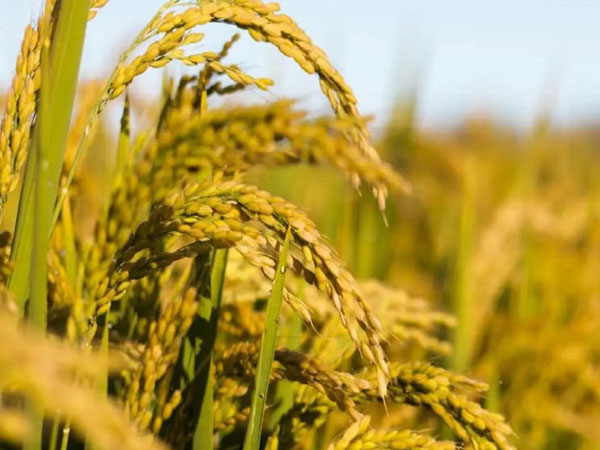
Agriculture Minister Amran emphasized that the potential for increased exports stems from the nation's abundant rice production. Currently, the government's rice reserves have reached a record high of approximately 5.1 million tons. Meanwhile, the Indonesian National Logistics Agency's warehousing system only has a maximum capacity of about 3 million tons, forcing the government to rent additional external warehouses to store the surplus rice.
On the Singaporean side, Minister Grace Fu praised Indonesia's agricultural achievements thanks to strong investment in research, technology, and mechanization. Since Singapore imports most of its food, expanding its supply chain from Indonesia presents a great opportunity to ensure food security. By 2025, bilateral agricultural trade between the two countries is estimated to reach approximately US$849.6 million, with Indonesian exports accounting for US$482.9 million.



© Copyright 2025 The SSResource Media.
All rights reserved.