

The USDA forecasts that global rice production in the 2026-2027 crop year will fall to 538 million tons due to rising input costs and extreme weather, threatening the food security of billions of people.
Global rice production is projected to decline for the first time after more than 10 years of continuous growth, raising serious concerns about supply shortages and widespread inflationary pressures. According to the latest report from the U.S. Department of Agriculture (USDA), this shift marks a significant turning point for the world food market since 2015.
Forecasts indicate a decline in output in key countries.
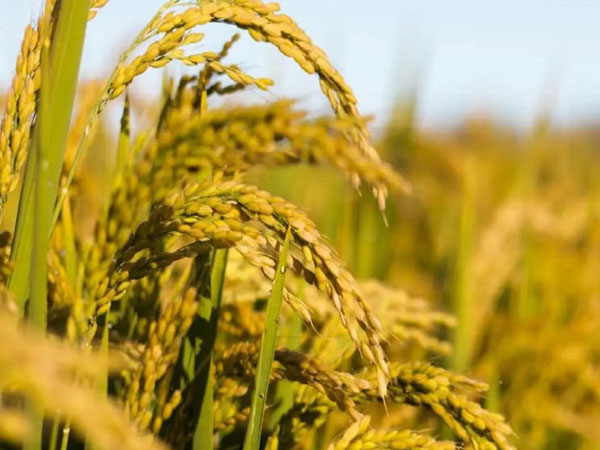
The USDA estimates that global rice production in the 2026-2027 crop year will reach approximately 538 million tons. This marks the first decline after an 11-year period of growth. The main reasons for this drop are from leading rice-producing and exporting countries including India, Myanmar, and the United States, with expected declines of up to 15% compared to the previous year.
World rice production declined for the first time in a decade.
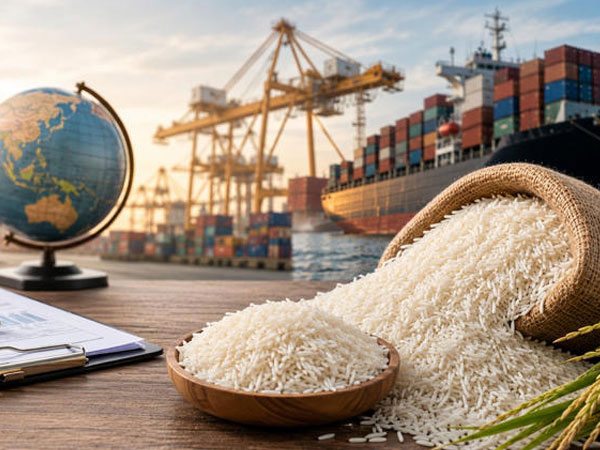
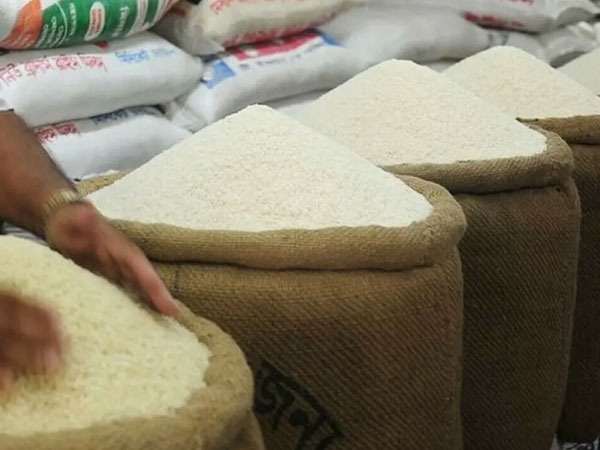
The decline in production, combined with record-high consumption and trade demand, is expected to significantly tighten global rice stocks. This will put direct pressure on the market, especially in regions heavily reliant on imported rice.
Pressure from production costs and the El Niño phenomenon.
Several converging factors are putting pressure on global rice production. Most notably, sharply rising fertilizer and energy prices, partly due to geopolitical conflicts involving Iran disrupting supply chains. For Asian farmers, soaring input costs coupled with low profit margins have led many to consider reducing their planted area.
In addition, climate challenges are becoming increasingly apparent. Meteorologists predict that the El Niño phenomenon will cause a rainfall deficit in India – the world's number one rice exporter. Below-average rainfall during the monsoon season, which begins in June, risks drastically reducing yields, exacerbating an already strained supply situation.
Market reaction and inflation risk
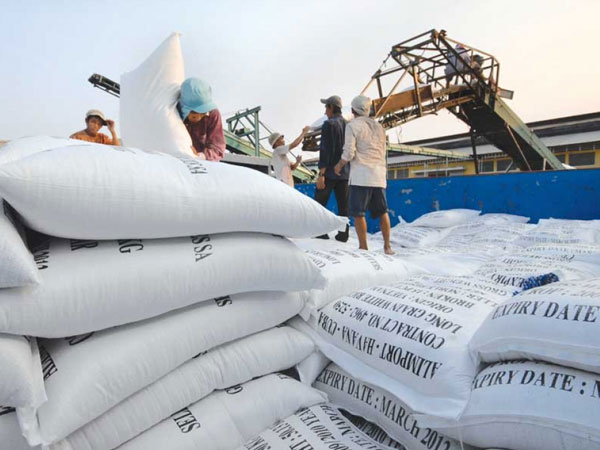
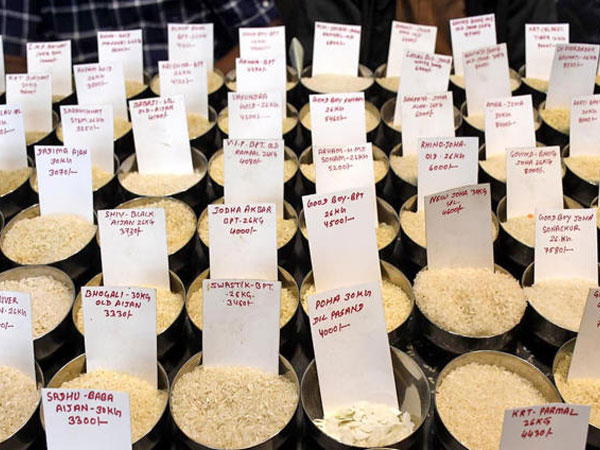
Forecasts of tight supply have immediately impacted prices in international markets. According to Bloomberg data, wholesale prices for Thai white rice – a benchmark price for the Asian market – have risen by approximately 15% since the end of March 2026. At the Chicago Exchange, rice futures prices also recorded an 8% increase in just one week, marking the sharpest fluctuation in the past two years.
|
Market Index |
Volatility level |
Background |
|
Thai white rice |
15% increase |
From the end of March 2026 |
|
Rice futures (Chicago) |
An 8% increase |
Highest weekly increase in 2 years |
|
FAO Rice Price Index |
Increase |
Due to production and energy costs |
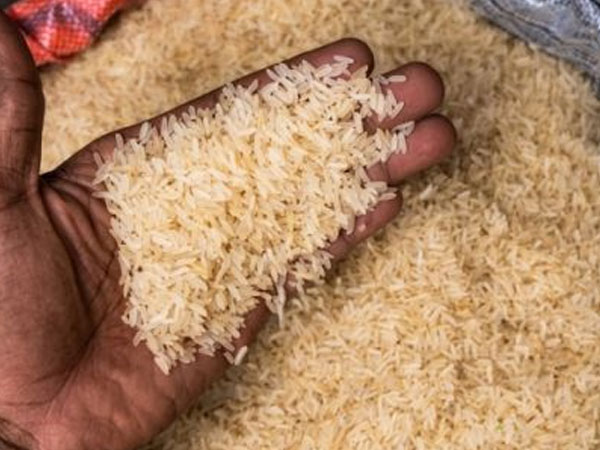
Rice currently provides about 20% of the world's nutritional energy. Rising prices for this food commodity threaten to push consumer inflation to new highs, particularly in countries like the Philippines where rice accounts for a large proportion of household budgets. Economists warn that price shocks could force governments to implement intervention measures such as export bans or price controls, actions that could further destabilize the market in the future.







© Copyright 2025 The SSResource Media.
All rights reserved.