

 CEBU CITY, Philippines — The recent increase in rice prices at Carbon Public Market is not linked to tensions in the Middle East, according to the Cebu City government, which said the modest hike may instead be due to supply factors or opportunistic price adjustments.
Elcon Concha, market administrator of the city markets, said the city’s monitoring showed that rice prices in the Carbon market have risen by about P5 to P7 per kilogram, but there is no clear indication that the increase is connected to the ongoing conflict in the Middle East.
“Based on our observation, dili gyud siya tungod sa tension sa Middle East. Kay otherwise ang uban goods diri, nitaas unta, unya wala man,” Concha said.
He explained that if the global conflict were directly affecting the market, other commodities would likely have increased as well, which has not been observed so far.
Modest increase recorded in Carbon
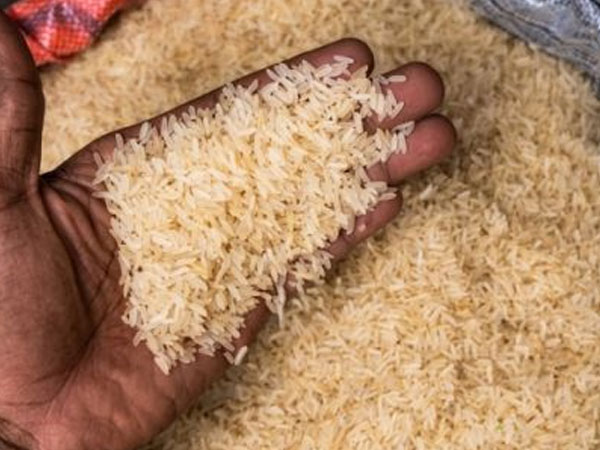
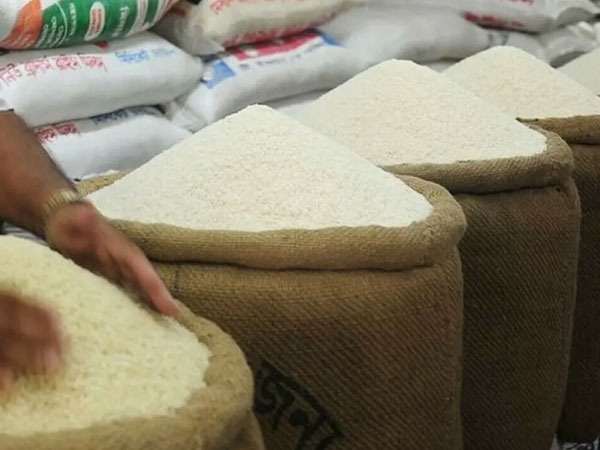
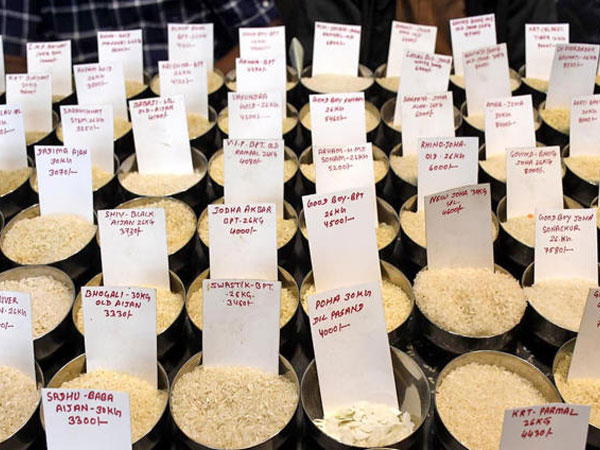
City market monitoring showed that some rice varieties have posted minor price adjustments in the past week.
For instance, the commercial rice brand Ganador, which previously sold for about P65 per kilo, is now priced at around P70 per kilo.
Despite the rise, Concha said the price change remains relatively limited, not widespread across other food items in the market.
“Ang among na-check diri ni-increase siya kinilo ranging from P5 to P7 per kilo,” he said.
Possible supply issues
Concha said the increase could be linked to changes in supply or pricing from wholesalers since most rice retailers in Carbon rely on regular suppliers.
He clarified that vendors usually adjust their prices only when their suppliers increase costs.
“Ang mga retailers diri naa ra gyud na silay suppliers. Kung musaka ang presyo sa ilang supplier, musaka sad gyud ilang presyo,” he said.
He added that it is unlikely that vendors are arbitrarily raising prices.
However, Concha did not rule out the possibility that some traders may be taking advantage of global tensions to justify price increases.
“Possible sad nga naay uban nag-take advantage sa global tension sa pagtaas sa presyo,” he said.
Carbon vendors cite rice supply, imports
Some rice vendors at Carbon said the increase started weeks earlier, even before discussions about geopolitical tensions began circulating among traders.
Raul Tecson, whose family has been selling rice in Carbon for decades, said prices had already begun rising as early as February.
According to Tecson, a kilo of Ganador rice that previously sold for just over P50 gradually climbed to P60, and has now reached around P70 per kilo.
He said several factors could be affecting supply and pricing, including changes in rice import policies, shipping costs, and limited stocks.
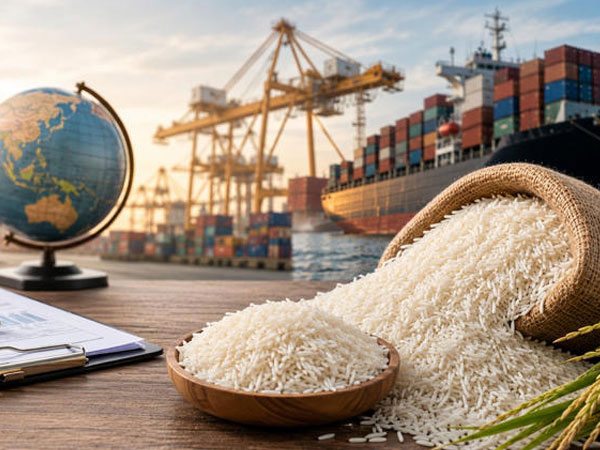
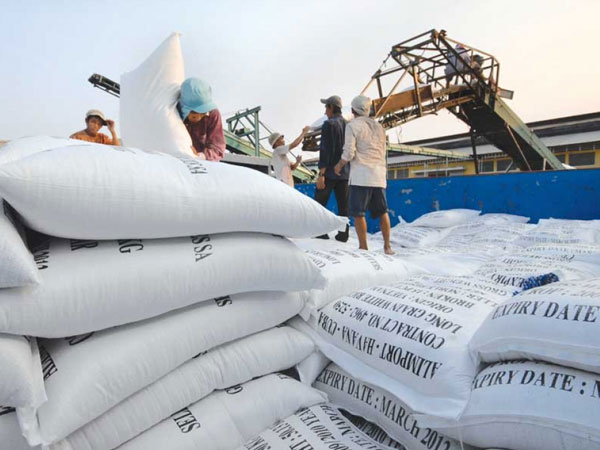
Rice sold at Carbon is sourced from both local and international suppliers, including shipments from Vietnam, Malaysia, Pakistan, and Thailand, while some varieties also come from Bohol, Mindanao, and Manila.
Mixed views on Middle East conflict
Vendors, however, have mixed views on whether global tensions could eventually affect rice prices.
Some traders believe the conflict may disrupt shipping routes or fuel prices, which could raise transportation costs and eventually push retail prices higher.
Others insist the current price increase is primarily supply-driven, not directly linked to the geopolitical situation.
Customers interviewed at the market said they have already noticed the increase, with some rice varieties now selling for as much as P68 to P70 per kilo.
Despite the higher cost, many households said they have no choice but to continue buying rice, often adjusting the quantity they purchase instead.
DTI-7: Prices of basic goods remain stable
Meanwhile, the Department of Trade and Industry Region 7 (DTI-7) assured the public that prices of basic necessities and prime commodities (BNPCs) in Central Visayas remain stable, despite global developments.
In a statement issued on March 6, the agency said its latest price monitoring across Cebu and Bohol shows sufficient supply and stable prices in major supermarkets, grocery stores, and retail establishments.
DTI-7 said retailers are also complying with suggested retail prices (SRPs) for covered commodities, helping ensure that essential goods remain accessible to consumers.
The agency urged the public to remain calm and avoid panic buying, noting that supply chains and distribution channels remain operational and capable of meeting consumer demand.
DTI-7 added that it continues to closely monitor market conditions and coordinate with retailers, distributors, and local governments to ensure fair trade practices and the availability of essential goods.
Consumers who notice unreasonable price increases, hoarding, or other unfair trade practices are encouraged to report these to the nearest DTI office.









© Copyright 2025 The SSResource Media.
All rights reserved.