

 The historic surge in rice prices had been a major problem for consumers, but now many farmers have become increasingly vocal with their concerns about the grain’s recent sharp price drop. The Agriculture, Forestry and Fisheries Ministry’s rice farming policy has reversed course in a short period of time.
The government must promote measures that strengthen the production base, so prices become acceptable to consumers and farmers alike.
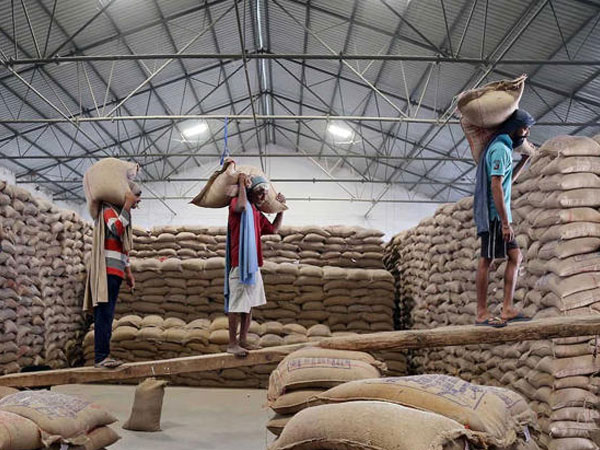
The government has decided to buy back within this month 210,000 tons of rice previously released from government stockpiles. The appropriate inventory level is around 1 million tons — equivalent to about two months’ worth of national consumption — but the buyback decision came because reserves had fallen to 320,000 tons following the release of stockpiled rice last year in response to significant price increases.
Allowing rice stockpile levels to remain too low is undesirable from the perspective of food security. The decision to buy back reserve rice is, in itself, reasonable.
However, the government seems to have made this decision largely because of the fact that rice prices have fallen considerably since the start of this year, which has led to growing calls from farmers for the buyback.
This situation was caused by the ministry’s supply-and-demand forecasts consistently missing the mark. For the harvests from 2022 through 2024, the ministry misjudged factors such as demand from inbound tourists, leading to a total rice shortage of about 1 million tons over those three years.
Factors including rising rice prices and increased planting by farmers have reversed this situation and generated a significant supply surplus for the 2025 and 2026 harvests.
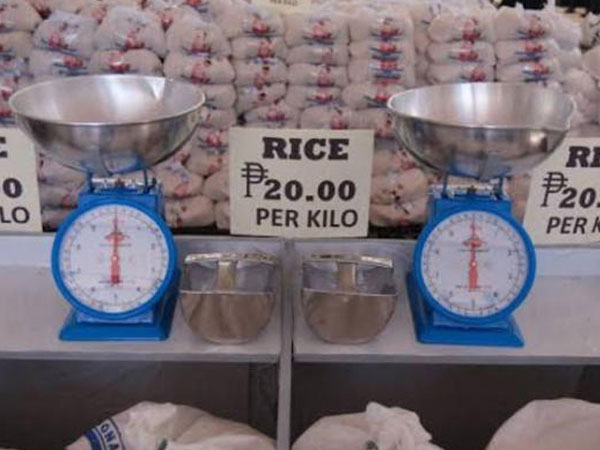
The average rice price, which was about ¥4,400 per five kilograms at the beginning of 2026, has fallen to around ¥3,000. Despite this, there are still strong many complaints about the heavy burden rice places on household budgets. If high prices are maintained and agricultural policies are perceived as disregarding consumers, dissatisfaction likely will grow.
At the same time, it is necessary to pay attention to the reality that farmers are struggling with soaring material costs. This is because if rice prices fall too far and more farmers leave the industry, rice production will decline, thereby posing a risk to the nation’s food security.
In summer last year, former Prime Minister Shigeru Ishiba reviewed a de facto rice acreage reduction policy that had been in place and shifted toward increasing production. However, agriculture minister Norikazu Suzuki, who took office under the administration of Prime Minister Sanae Takaichi, reversed the production increase and returned to the previous policy.
The revised staple food law enacted this year also explicitly states the rice acreage reduction policy’s standard phrase of “production in line with demand.” If the government insists it will “not make commitments” to specific prices, but its rice acreage reduction policy ultimately keeps prices high, it will only confuse both producers and consumers.
It would be advisable that Takaichi take the lead in advancing reforms to rice farming policy.
There are many challenges to address regarding rice farming policy, such as scaling up production, improving efficiency through the introduction of information technology and promoting exports. The government should take a straightforward approach to strengthen the production base and stabilize prices.


© Copyright 2025 The SSResource Media.
All rights reserved.