

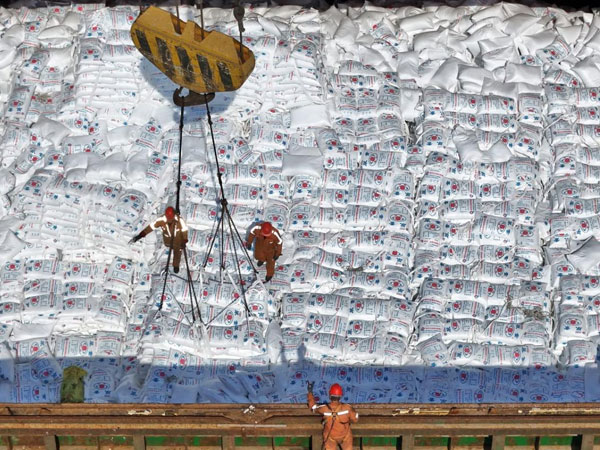
 Disruption to fertiliser supply could lock in a food price hike across South and Southeast Asia.
The Iran war threatens more than global energy supplies – it also looms as a potential food shock. Emerging South and Southeast Asian economies are particularly exposed.
Much of the oil that would ordinarily transit the Strait of Hormuz is headed to Asia. But about a third of the world’s fertilisers also pass through this regional chokepoint. Exports of sulphur, a key ingredient for phosphate fertilisers, have also come to a halt.
These dual shocks will compound.
Food and fertiliser prices generally follow oil and gas prices as costs of production and transport rise. Across South and Southeast Asia, more than half of agricultural fertiliser use is nitrogen-based. Prices for urea, a widely used nitrogen-based fertiliser, are reportedly already over 40% higher in Southeast Asia than pre-war levels.
A quicker-than-expected recovery for energy markets is possible. In response to US President Donald Trump’s comments last week that the war was “very complete, pretty much”, oil prices initially fell on perceptions the conflict could be short-lived. Although prices soon climbed again, the initial drop illustrated market expectations that an end to hostilities and a reopening of the Strait of Hormuz would substantially restore functioning energy trade.
Fertiliser prices did not fall on this news, however. That is concerning.
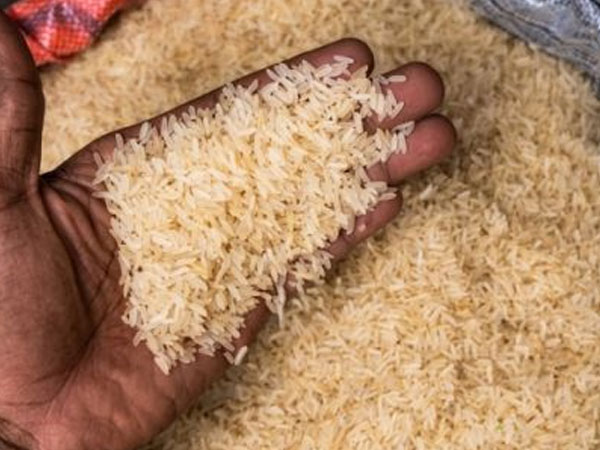
Markets do not expect a Trump backdown over Iran will ease the fertiliser shock in the same way. Agriculture is sensitive to disruptions. Farmers confront liquidity constraints when purchasing fertilisers and face difficult trade-offs around which crops to plant and the amount they can grow based on the availability of fertiliser. A wheat farmer, for example, must decide whether to switch to less fertiliser intensive crops or face much lower crop yields. Whereas rice farmers cannot easily substitute so must absorb fertiliser costs or reduce fertiliser consumption and face lower yields.
It means longer-term disruptions from just a short period of turmoil.
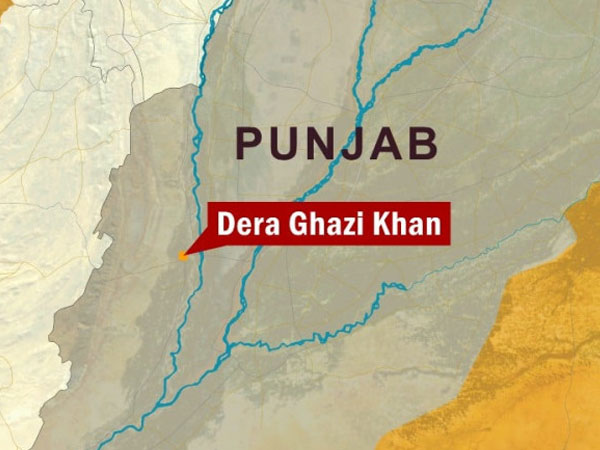
Already, fertiliser plants in India and Pakistan are facing production declines given the disruption to natural gas supplies from the Middle East. Gulf countries targeted in the war supply nearly all of Pakistan’s LNG imports, 72% of Bangladesh’s and 53% of India’s.
Even if deescalation occurs, the conflict has likely locked in a food price hike in the coming months. The longer the war continues, the greater the shock to food security as energy and fertiliser prices remain elevated.
There are also other risks to consider.
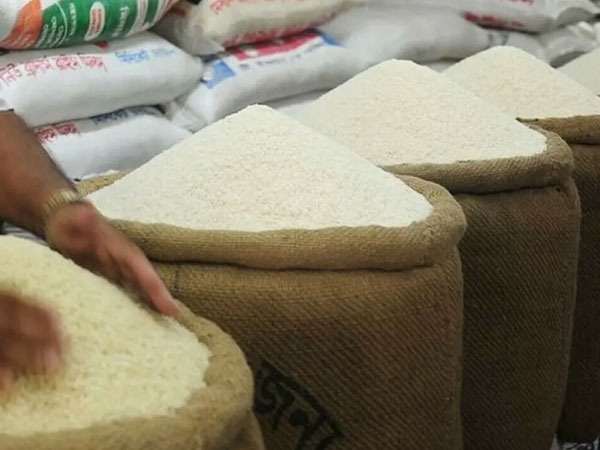
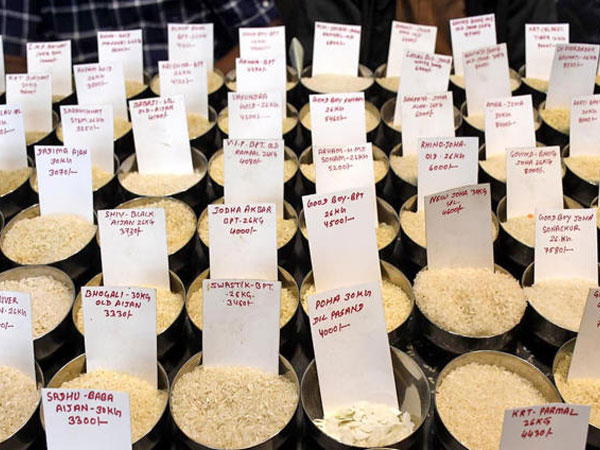
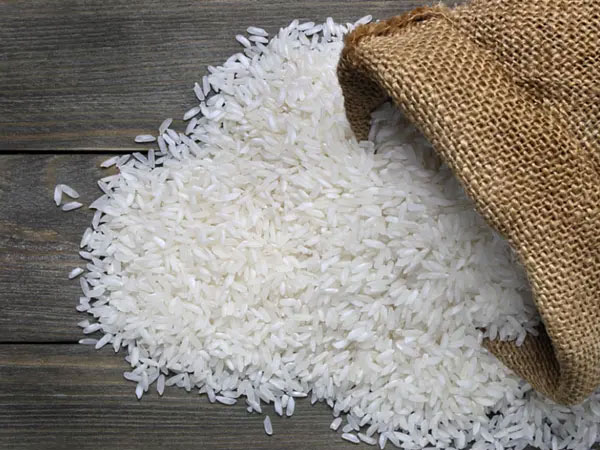
After the 2022 inflation surge India introduced rice export bans and restrictions. This affected neighbouring countries significantly, limiting access to food staples. The restrictions were only fully repealed in 2025. The restrictions corresponded with elevated rice prices – roughly 20% higher than pre-restriction levels.
If India again applies export bans and restrictions, in turn pushing rice prices – and therefore food prices across Asia – higher, this could encourage other rice producers to follow suit.
With many in the region, particularly India, allocating substantial fiscal resources to fertiliser and fuel subsidies or enforcing distortive price controls, the short-term incentive to force domestic food prices lower using export restrictions could prove irresistible.
A cascade of restrictions would exacerbate the shock as regional food supplies tighten.
The Philippines and Vietnam inked a deal that guaranteed rice supply to the Philippines – a major net importer – after India introduced its bans in 2023. This was a win for building regional assurances on food security. Both countries looked set to sign a similar deal earlier this year.
Regional coordination can therefore play a role. These bilateral agreements set a benchmark others could follow, especially India with its neighbours. Public pressure from net importing countries against implementing food export restrictions could also help. Collectively, this would be more effective.
Forgoing nationalistic policies will help mitigate the worst risks from the coming inflation shock to Asia’s food systems. The region would be better off for it.



© Copyright 2025 The SSResource Media.
All rights reserved.