

 Kenya spends tens of billions of shillings importing rice every year despite Mwea being home to one of the country's biggest rice-growing regions. A new rice seed processing plant at Kirogo Farm hopes to change that - starting not with more land, but with better seeds.
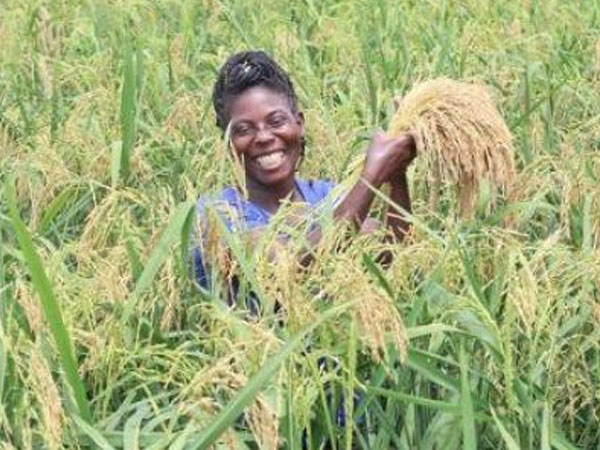
Walk through Mwea during planting season and you'll quickly understand why it's often called Kenya's rice basket.
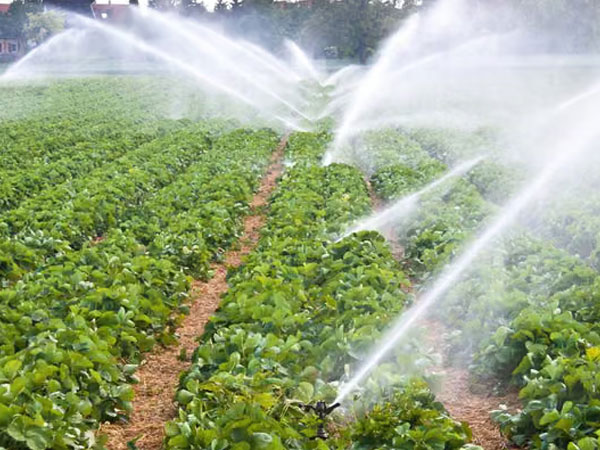
Vast green paddies stretch across the landscape, irrigation canals criss-cross the fields, and for generations, farming has been the heartbeat of the local economy.
Yet there's a contradiction many Kenyans don't realise.
Despite having one of East Africa's best-known rice-growing regions, Kenya still imports most of the rice served on dinner tables across the country.
That's the challenge the newly commissioned Kirogo Rice Seed Processing Plant hopes to address.
A small seed with a big job
At first glance, the facility doesn't look like the kind of project that grabs national attention.
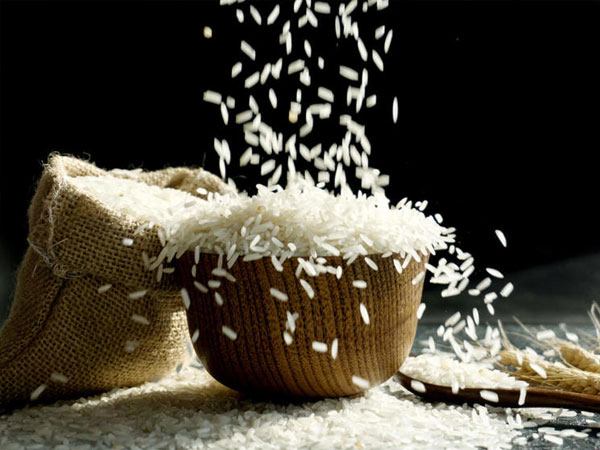
It doesn't mill rice or package supermarket brands. Instead, it processes something far more important - certified rice seed.
The plant, developed through a partnership involving the Kenya Agricultural and Livestock Research Organization (KALRO) and the Korea Partnership for Innovation of Agriculture (KOPIA), cleans, dries, grades, treats and stores high-quality rice seed before it reaches farmers.
It may sound technical, but the impact could be significant.
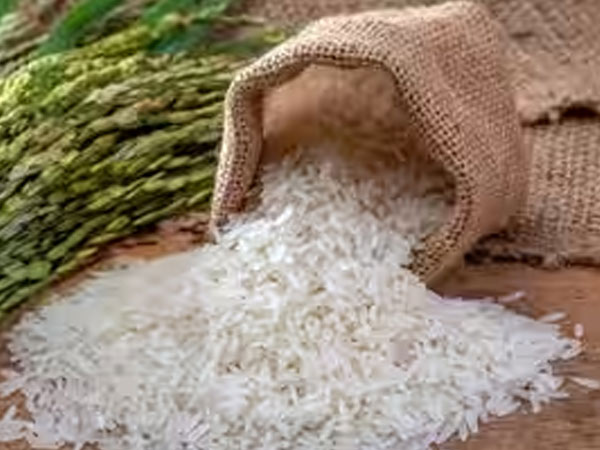
Good seed is the starting point of every successful harvest. It determines how well a crop withstands disease, how evenly it matures and, ultimately, how much grain a farmer harvests per acre.
For years, inconsistent access to certified seed has been one of the hurdles limiting rice production in Kenya.
Why Kenya still imports so much rice
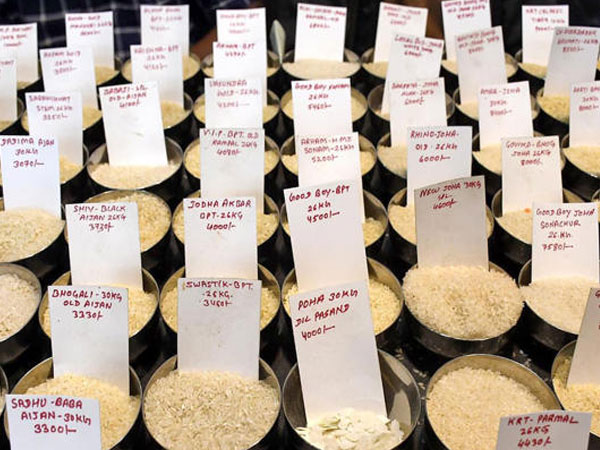
Rice has quietly become one of Kenya's favourite foods.
From homes and schools to hotels and roadside eateries, demand continues to rise every year. But production has struggled to keep pace.
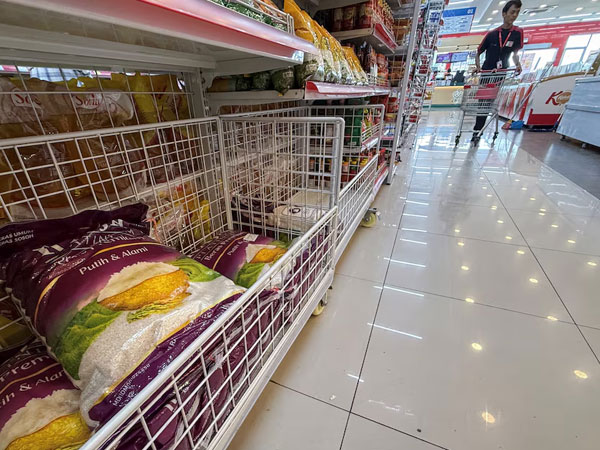
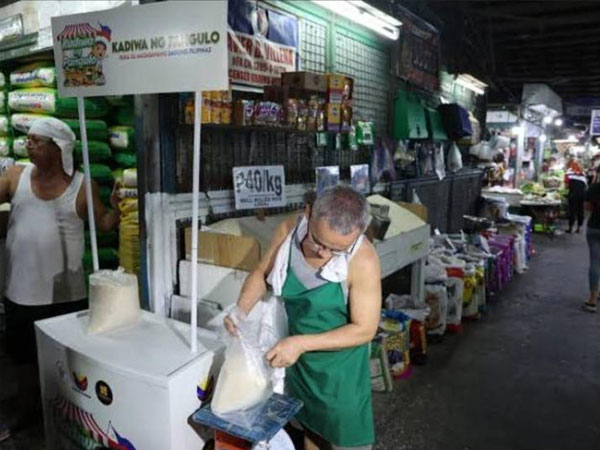
Kenya consumes more than one million metric tonnes of rice annually, while local farmers produce only about 300,000 metric tonnes.
The gap is filled through imports, mainly from Asian markets such as Pakistan, India, Thailand and Vietnam.
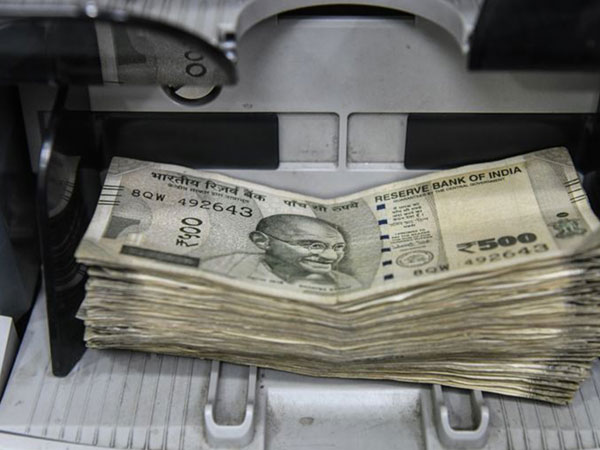
That dependence comes at a cost. Every year, Kenya spends tens of billions of shillings importing rice that could potentially be grown locally if farmers had access to better inputs, modern farming practices and improved irrigation.
That's where facilities like Kirogo come in.
More harvest from the same acre
The idea behind the plant isn't to ask farmers to cultivate more land.
Instead, it's about helping them harvest more from the land they already have.
Certified seed is bred for higher productivity, better germination and improved resistance to pests and diseases.
Combined with proper farming practices, it can significantly increase yields while improving the quality of rice reaching the market.
The Kirogo facility has the capacity to process up to 40 tonnes of seed a day, translating to hundreds of tonnes of certified seed each year for distribution to farmers.
Those seeds won't only benefit growers in Mwea. Rice-producing regions such as Ahero, Bura, Hola, Tana River and other irrigation schemes across the country are expected to benefit from improved access to quality planting material.



© Copyright 2025 The SSResource Media.
All rights reserved.