

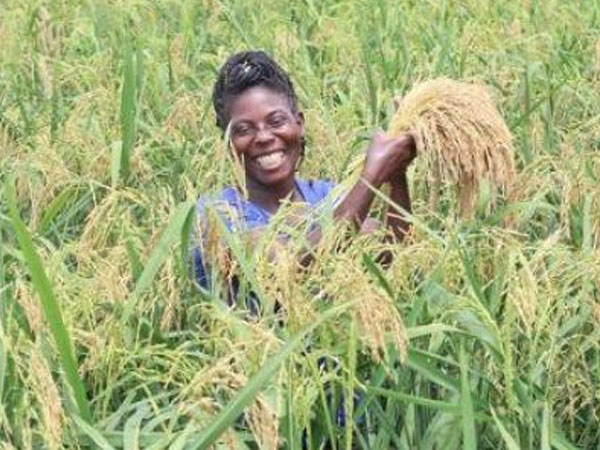
Accurate accounting of global methane remains a critical challenge, with rice cultivation contributing significantly to uncertainties in global methane budgets. Both top-down and bottom-up approaches still largely depend on emission factors and census data. In this review, we synthesize current knowledge from global estimates made between 1963 and 2025, which range from 10 to 280 Tg/yr, with more recent estimates differing by about 4 Tg/yr and having a coefficient of variation of 13%. We examined these approaches, identified their limitations, and found that nearly 67% of available global estimates are based on bottom-up methods, while 33% use top-down approaches. We see substantial disparities among rice-producing countries, with the top ten countries by harvest area accounting for 85% of rice production (81% of global harvested area) and 83% of methane emissions, primarily in South and Southeast Asia. Although overall emissions are increasing due to the expansion of rice cultivation, emission intensity has declined in most major countries, indicating a somewhat positive outlook. Advances such as global rice inventories, improved satellite technologies and process-based models, phenology-based crop mapping, and low-methane-emitting rice varieties offer promising prospects for more accurate future estimates.
Extended News
Global methane emissions from rice paddies are now increasingly quantifiable
11 August 2026


See more news


03 October 2026
03 October 2026

Top News

Featured News

03 October 2026
Related News
03 October 2026
03 October 2026
© Copyright 2025 The SSResource Media.
All rights reserved.