

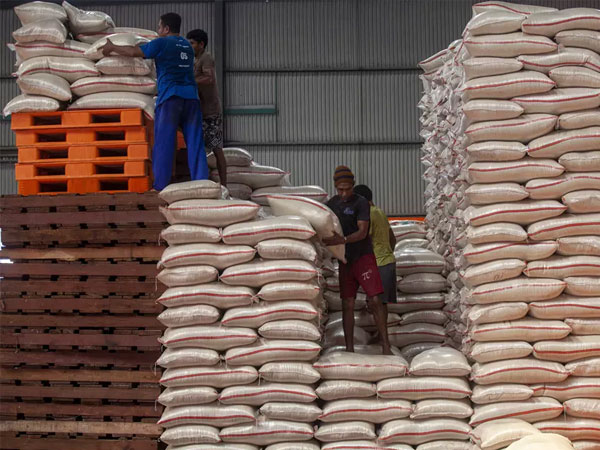
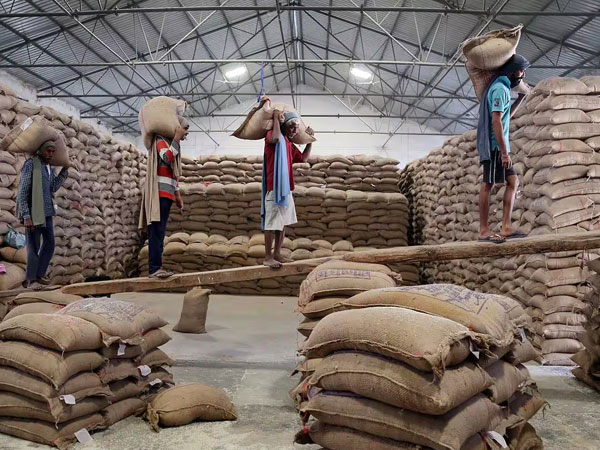
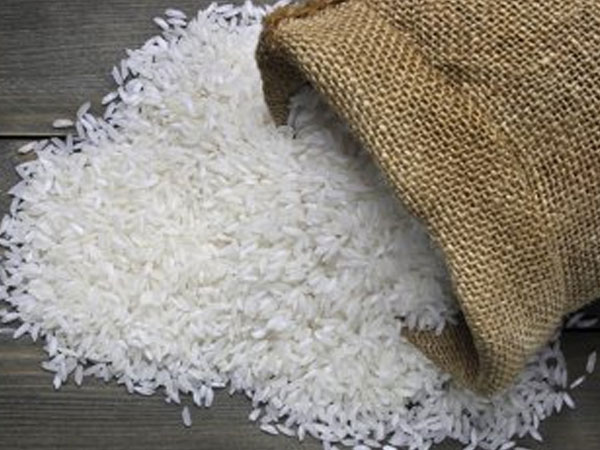
 Jakarta. Indonesia’s government rice reserves reached a record 4.3 million tons as of March 2026 as authorities ramped up domestic procurement to secure food supplies.
Head of the National Food Agency (Bapanas) and Agriculture Minister Andi Amran Sulaiman said the figure surpassed the previous high. “For the food sector, today marks the highest level in history at 4.3 million tons. Previously, the maximum was 4.2 million tons last year. Next month, it could reach 5 million tons,” he said in Jakarta on Monday.
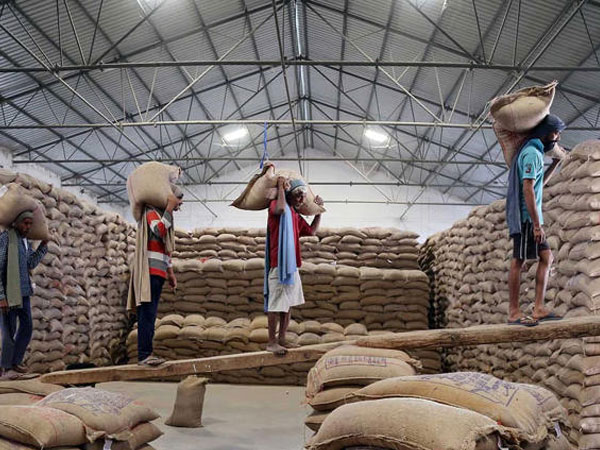
Amran said the sharp increase in reserves has prompted the government to expand storage capacity. With existing warehouse capacity at around 3 million tons, authorities have moved to lease additional storage of up to 2 million tons.
He added that the surge in stock has helped stabilize food prices, particularly during Ramadan. Rice, historically a major contributor to inflation over the past 10–20 years, is no longer exerting significant price pressure.
According to Amran, achieving rice self-sufficiency in 2025 has been a key strategy in navigating global geopolitical uncertainty, in line with President Prabowo Subianto’s vision of national food independence.
He said government rice reserves, known as CBP, are expected to continue rising, supported by sustained domestic procurement.
The increase has been significant. In March 2025, CBP stood at about 2.3 million tons, with domestic procurement reaching around 610,200 tons. By March 2026, reserves had surged to 4.3 million tons.
The strong stockpile, supported by domestic absorption, has helped contain rice inflation. Data from Statistics Indonesia (BPS) showed monthly rice inflation in February 2026 at 0.43%.
That figure is below peaks seen in recent years. For comparison, annual rice inflation in 2024 and 2025 each reached 5.28%. Monthly inflation has remained below 2% since June 2024.
President Prabowo Subianto also pointed to stable food prices during Ramadan.
“With ongoing conflicts, food prices could rise. But let me ask, during this Ramadan, are food prices under control domestically? I think we are doing a good job,” he said in an interview.
Meanwhile, food inflation in February 2026 was recorded at 2.50% month-to-month and 4.64% year-on-year, remaining within the government’s target range of 3% to 5% for volatile food inflation, indicating stable prices and relatively well-maintained purchasing power.







© Copyright 2025 The SSResource Media.
All rights reserved.