

 Jakarta (ANTARA) - Indonesia's food security will withstand the El Nino weather phenomenon, Agriculture Minister and National Food Agency (Bapanas) Head Andi Amran Sulaiman said, citing strengthened reserves and early mitigation measures.
"This is under President Prabowo Subianto's direction. The previous El Nino was more severe than this one," Sulaiman said in a statement Tuesday.
The government has prepared for El Nino by securing strategic staple foods and strengthening reserves months before the weather phenomenon's expected impact.
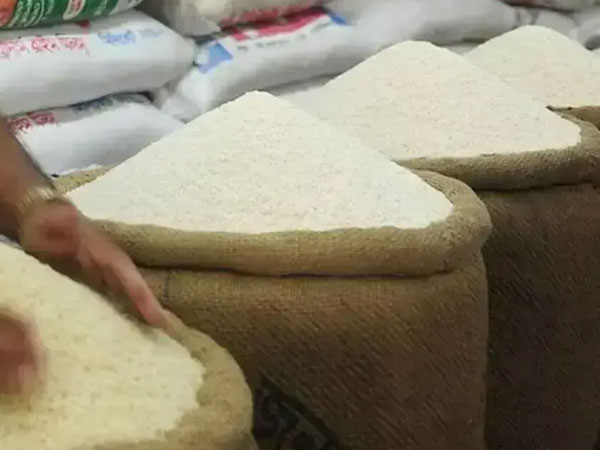
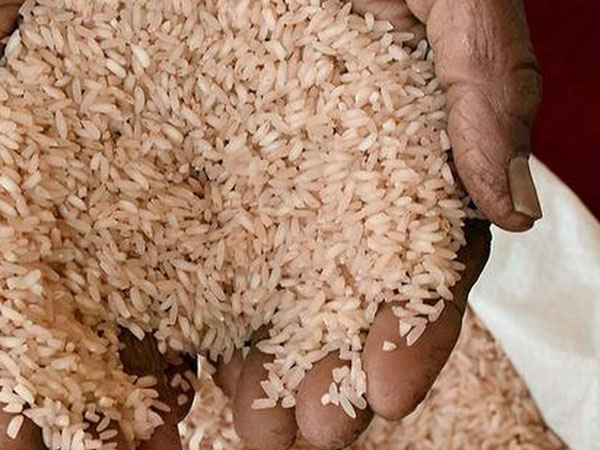
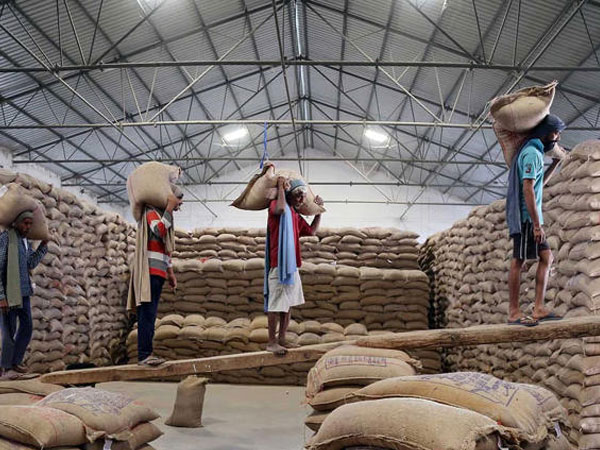
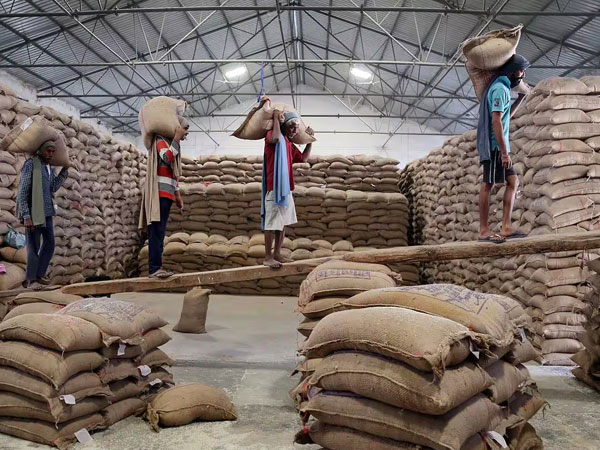
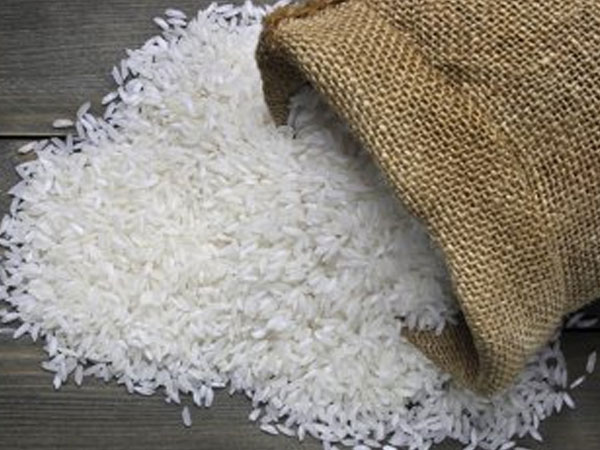
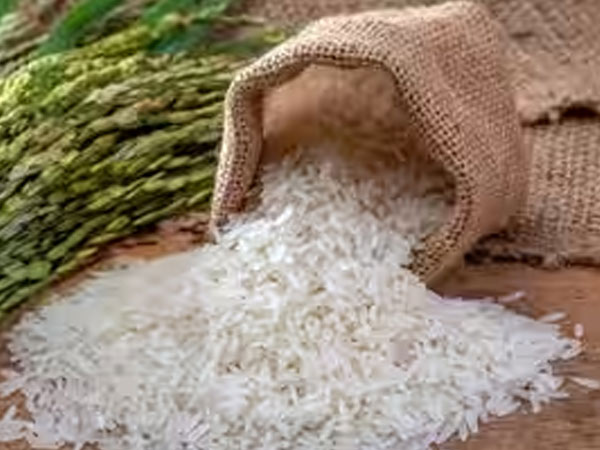
The government rice reserve managed by state logistics agency Bulog stood at 5.24 million tons as of July 20, according to Bapanas.
Provincial governments held 7,350 tons of food reserves as of late June 2026, while districts and cities held 13,150 tons across 323 regions.
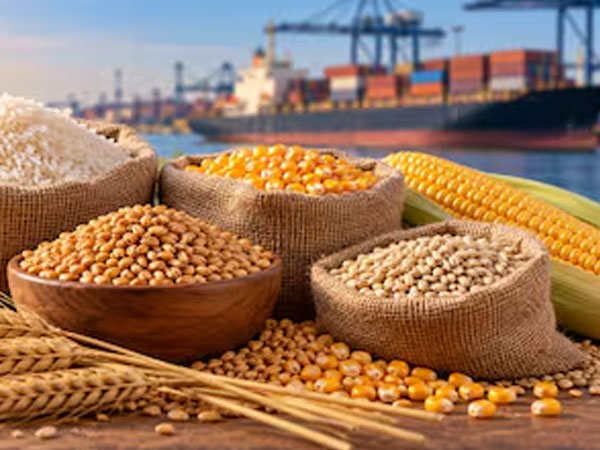
Government reserves also included 176,000 tons of feed corn as of July 20, distributed to poultry farmers at subsidized prices through the SPHP program.
The government held 1,000 kiloliters of cooking oil, about 279,000 tons of consumer sugar and 38 tons of chicken meat in reserves.
The reserves were managed by Bulog and ID Food, while the chicken was held by ID Food, the government said.
The government expects domestic production of perishable commodities, including chilies, shallots and eggs, to meet demand, citing year-round production surpluses.
Statistics Indonesia (BPS) reported that the Price Development Index (IPH) rose in four provinces and fell in 34 during the third week of July 2026.
At the district and city level, the IPH rose in 69 regions and declined in 283 during the same period, BPS data showed.
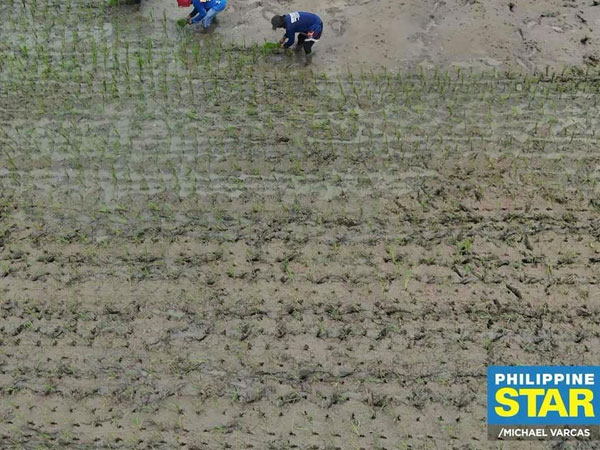
Sulaiman said Indonesia achieved food self-sufficiency in rice and corn within one year, ahead of President Prabowo's four-year target.
The Food and Agriculture Organization (FAO) has projected Indonesia's rice production will increase further in 2026, he said.
"FAO data recognizes Indonesia's progress. While some countries face supply challenges, Indonesia is now the world's second-largest rice producer, projected to harvest 38 million tons in 2026," Sulaiman said.





© Copyright 2025 The SSResource Media.
All rights reserved.