

 –as gov’t expands support and diversification strategy
–cash grants, co-investment plans, infrastructure upgrades form part of wider push to strengthen sector
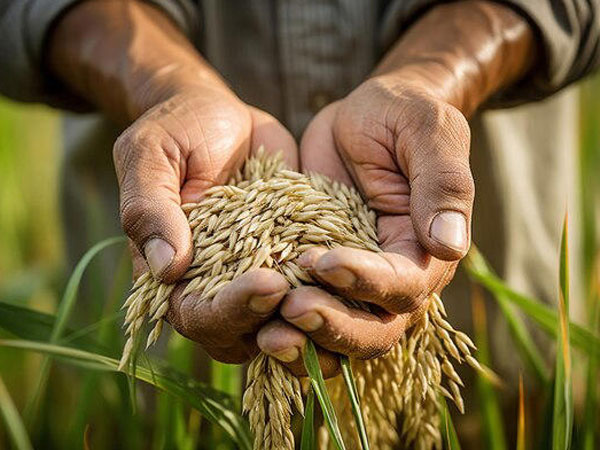
MORE than $3 billion has been allocated by the government to support rice farmers, with direct cash grants and a broader strategy aimed at strengthening the industry amid ongoing global economic pressures.
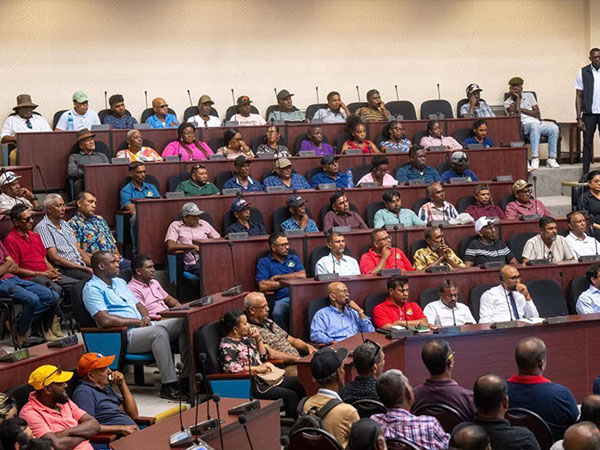
The announcement was made by President Dr Irfaan Ali on Thursday, during a consultation with farmers at the Arthur Chung Conference Centre (ACCC).
As part of the immediate relief, farmers cultivating fewer than 50 acres will receive $15,000 per acre, while those with more than 50 acres will be granted $10,000 per acre.
“That’s more than $3 billion of injection to support our farmers,” he noted.
The President indicated that registration and verification exercises to facilitate the payments will begin shortly.
This financial support forms part of a wider policy framework that the Head of State outlined to ensure the long-term viability and profitability of the rice sector, particularly as it faces fluctuating global market conditions.
“As you know, your government has always stood by every segment of the population, and we have stood with rice farmers every single time, under every single circumstance, and this is a matter of fact,” President Ali told the gathering.
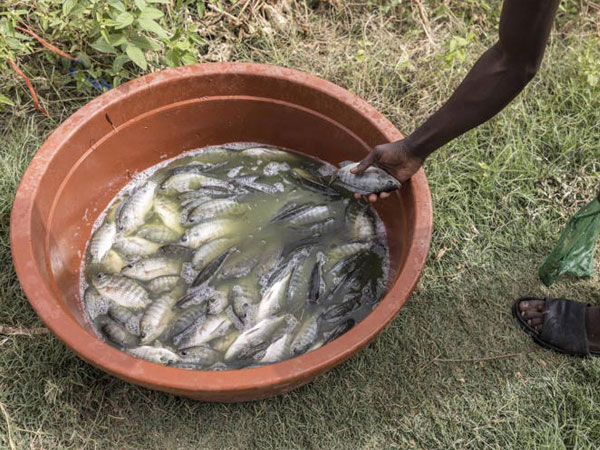
Central to the government’s approach is a forward-looking strategy built on diversification, co-investment, and increased productivity. The President explained that efforts are underway to help farmers maximise earnings from their existing lands by integrating high-value crops and alternative income-generating ventures.
“Part of this strategy that we have over the next five years also includes maximising, or optimising, the opportunity to earn from your land,” he said.
He pointed to practical examples of how farmers can diversify operations, suggesting that even small portions of land can be repurposed for more lucrative agricultural activities.
“So, if you have 10 acres of land, how we can convert one acre in high-value crop or some high-value initiative that allows you to earn more, allows you a diversification of income with rice and some other crop,” he explained.
Importantly, President Ali emphasised that the government is prepared to partner directly with farmers through a co-investment model, under which the State will assist with infrastructure and capital investment.
“We are not only doing the research; we are preparing ourselves to work with you in a co-investment way, to allow you to have this additional ability to earn from your land and to supplement the income from rice farming,” he stated.
According to the President, this model is also intended to cushion farmers against external shocks, particularly those stemming from global supply and pricing disruptions.
Highlighting recent challenges, he explained that an oversupply in international markets last year had negatively affected prices, prompting government intervention through subsidies.
“And you know, last year, when there was oversupply on the market, not overproduction, oversupply… it took a toll on price, and we had to intervene,” he said.
He further noted that geopolitical tensions and supply chain disruptions continue to drive up the cost of critical inputs, including fertiliser and shipping.
“We are seeing, for example, a massive increase in the price globally of fertiliser, petrochemicals and, of course, shipping costs,” he said.
Despite these pressures, the government has implemented a range of measures to ease the burden on citizens, including tax removals and fee reductions, which the President described as significant financial support.
“That’s hundreds of billions of dollars every year we are transferring to the people. It’s a form of grant,” he noted.
However, President Ali cautioned that increases in global rice prices do not necessarily translate to higher profits for farmers, due to rising production costs.
“There is always a net-off effect,” he explained.
Against this backdrop, he underscored the importance of collaboration, describing the relationship between government and farmers as a partnership.
“This journey requires us to work together, to partner together, to make decisions together,” he said.
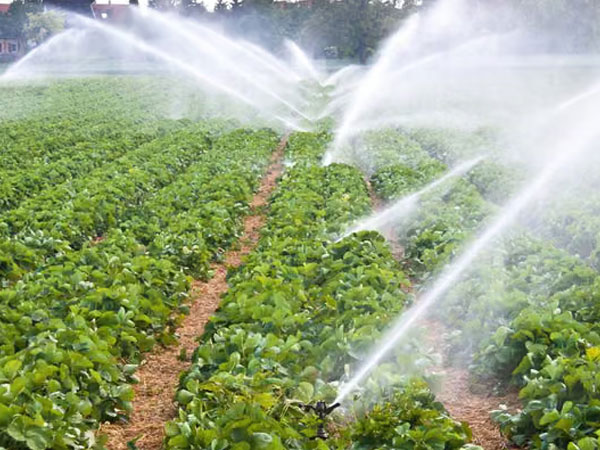
The President also reiterated ongoing investments in critical infrastructure such as drainage and irrigation systems, farm-to-market roads, and other facilities essential to the sector’s expansion.
“These are the investments we have been making continuously, and will continue to make, because we want to ensure that we are able, together, to bring down the cost of production, to improve productivity, and, importantly, to allow you to be in an industry that would allow you to earn and to grow,” he said.
Additionally, he noted that consultations with farmers across various regions are aimed at identifying location-specific challenges and crafting targeted solutions.
“We want to look at the industry and all of the challenges and opportunities and find a formula to strengthen the industry, improve profitability, diversify income, and continue investment in infrastructure,” he said.
The forum forms part of the government’s broader stakeholder engagement strategy in shaping agricultural policies. Reaffirming his administration’s commitment, President Ali assured farmers of continued support.
“One thing about the People’s Progressive Party Civic, we will never leave your side. We will always be by your side,” he declared.
At the engagement, President Ali was accompanied by Vice-President Dr Bharrat Jagdeo along with members of the Cabinet.


© Copyright 2025 The SSResource Media.
All rights reserved.