

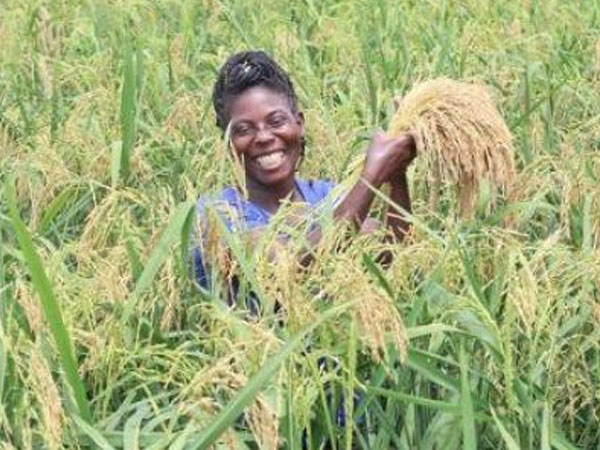
Mali’s rice-based farming systems are under growing pressure from climate change, with rising temperatures, erratic rainfall, recurrent droughts, and periodic flooding increasingly undermining agricultural productivity and rural livelihoods. These climate stresses have made water management more difficult in irrigated rice systems, shortened or disrupted growing seasons, and increased the frequency of severe yield losses. Changing climate conditions have also altered pest and disease dynamics, further threatening rice productivity and reinforcing the need for adaptive, climate-smart strategies across the rice value chain.
Food security in Mali remains fragile, particularly in the northern and central regions, where conflict, market instability, and extreme weather events have intensified acute food insecurity and nutritional risks. Climate shocks have emerged as a major driver of both seasonal and chronic food shortages, highlighting the urgency of strengthening resilient rice production systems to safeguard household incomes and national food supplies.
In this context, digital advisory tools such as the RiceAdvice mobile application play a critical role in supporting climate adaptation. RiceAdvice provides site-specific fertilizer recommendations and guidance on good agricultural practices, helping farmers make more efficient input decisions. Evidence from field assessments shows that farmers using RiceAdvice achieve higher technical efficiency and improved rice yields, while reducing unnecessary fertilizer use and associated costs. By aligning fertilizer application with field conditions, the tool supports productivity gains while minimizing environmental losses.
The Sustainable Rice Platform complements these digital advisories by introducing internationally recognized sustainability standards that address environmental, social, and economic dimensions of rice production. By promoting resource efficiency, improved farm management, and responsible labor practices, SRP helps enhance the market value of rice and connects producers to buyers seeking sustainably produced rice. Together, RiceAdvice and SRP strengthen decision-making, improve yield outcomes, and encourage long-term sustainability in Mali’s rice sector.
To support the scaling of these innovations, a capacity-building workshop was held in Bamako in November 2025, bringing together researchers, extension agents, farmer representatives, and institutional partners from major rice-producing regions. The workshop focused on practical training in RiceAdvice Lite, a simplified version of the application designed for faster field-level use, as well as an introduction to SRP standards and sustainability assessment tools. Participants gained hands-on experience installing the application, entering farmer data, generating recommendations, and understanding sustainability performance indicators.
The workshop outcomes demonstrated strong engagement and learning, particularly through practical exercises that increased participants’ confidence in using digital tools with farmers. Participants highlighted the advantages of RiceAdvice Lite, including its user-friendly interface and offline functionality, while discussions around SRP emphasized the importance of adapting global standards to local socio-economic and agroecological conditions in Mali.
At the same time, participants identified several constraints encountered during scaling efforts between 2022 and 2025, including limited digital literacy, gaps in local variety representation within the RiceAdvice database, connectivity challenges, and the need for greater contextualization of SRP requirements. Lessons learned underscored the importance of hands-on training, continuous technical support, improved data integration, and targeted capacity building for women and youth to ensure effective adoption.
Overall, the workshop strengthened the capacity of rice value chain actors to deploy digital advisory services and sustainability standards in Mali. By combining RiceAdvice for field-level optimization with SRP for long-term sustainability, participants recognized a complementary approach that can enhance productivity, resilience, and environmental stewardship. Sustained investment in digital tools, capacity building, and institutional collaboration will be essential for advancing climate-resilient rice systems and supporting Mali’s goal of national rice self-sufficiency.







© Copyright 2025 The SSResource Media.
All rights reserved.