

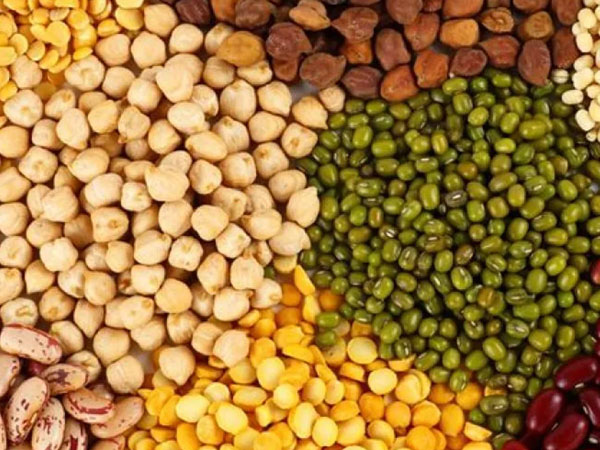
 The Centre has issued an advisory to all states urging them to realign their bonus policies to promote the cultivation of pulses, oilseeds and millets, in a move aimed at strengthening India’s long-term food and nutritional security. The communication, sent by the Department of Expenditure under the Ministry of Finance, is not a directive but a suggestive measure designed to align state-level policies with national priorities such as Aatmanirbharta (self-reliance), sustainable agriculture, and balanced crop production.
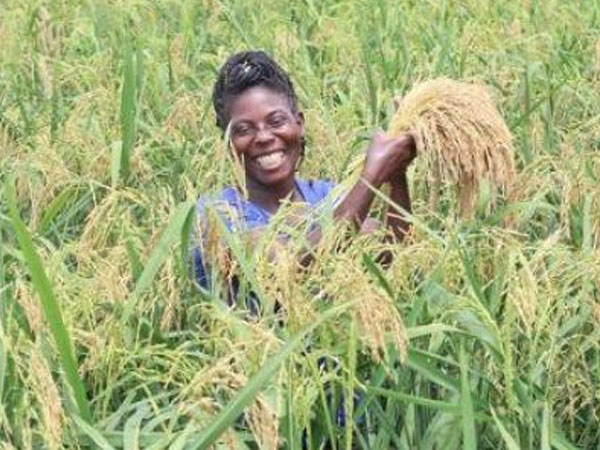
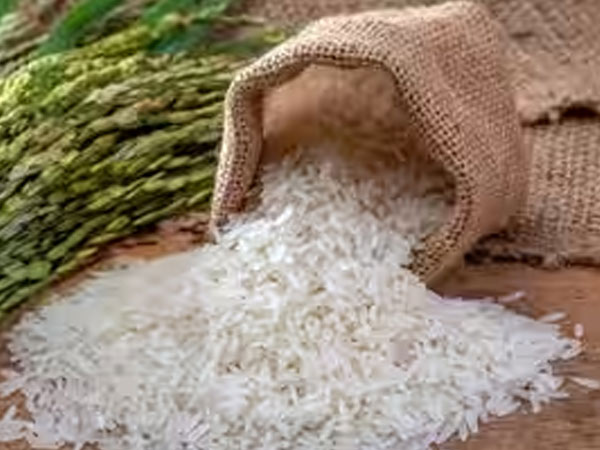
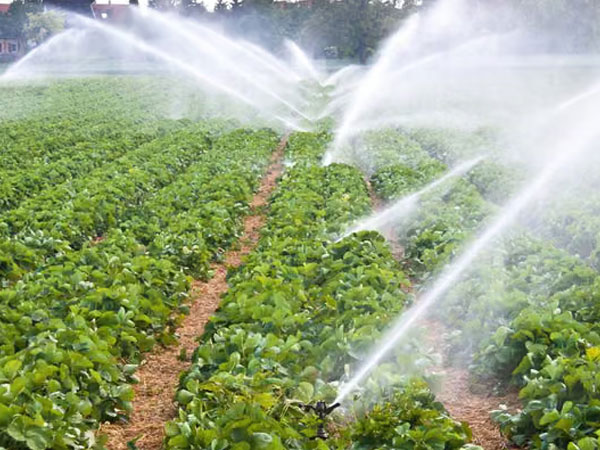
The advisory comes amid concerns that excessive incentives on crops like wheat and paddy in several states—especially in northern India—have led to skewed cropping patterns. Additional bonuses over and above the Minimum Support Price (MSP) for these crops have encouraged their overproduction, reducing the acreage under pulses and oilseeds. This imbalance has not only increased dependence on imports for essential commodities like edible oils and pulses but has also contributed to environmental stress due to water- and fertilizer-intensive farming practices.
The Centre’s approach focuses on encouraging crop diversification to create a more resilient agricultural system. By promoting pulses, oilseeds, and millets, the government aims to reduce import dependence, stabilize domestic supply, and improve nutritional outcomes. Expanding domestic production of these crops is seen as critical in shielding the country from global price volatility, supply-chain disruptions, and external uncertainties.
Data indicates that the shift has already begun to show results. India’s dependence on imported edible oils has declined from 63.2% in 2015–16 to 56.25% in 2023–24. During the same period, the area under oilseeds has increased by over 18%, production has risen by nearly 55%, and productivity has improved by around 31%. These figures reflect gradual progress toward achieving self-reliance in key agricultural commodities.
To support this transition, the Centre has rolled out multiple initiatives, including the Mission for Aatmanirbharta in Pulses and the National Mission on Edible Oils (Oilseeds and Oil Palm). These programmes focus on improving seed quality, enhancing productivity, strengthening procurement mechanisms, and building robust value chains.
The government has also complemented these efforts with farmer-centric schemes. Under PM-KISAN, over 9 crore farmers receive direct income support of ₹6,000 annually. Crop insurance coverage under PM Fasal Bima Yojana protects around 4 crore farmers against weather risks, while Soil Health Cards and testing labs promote scientific farming practices. In addition, initiatives like the Prime Minister Dhan-Dhaanya Krishi Yojana and expansion of Mega Food Parks are aimed at improving productivity, storage, processing, and market linkages.
Officials emphasise that the advisory reflects a “constructive and positive approach” rather than an imposition, encouraging states to work in tandem with the Centre. The broader objective is to discourage monoculture, ensure sustainable use of resources, and enhance farmer profitability while safeguarding national food security.
As India navigates challenges related to climate change, import dependence, and nutritional needs, the push for diversified cropping patterns marks a strategic shift in agricultural policy—one that calls for coordinated action between the Centre and states to build a more balanced and resilient food system.







© Copyright 2025 The SSResource Media.
All rights reserved.