

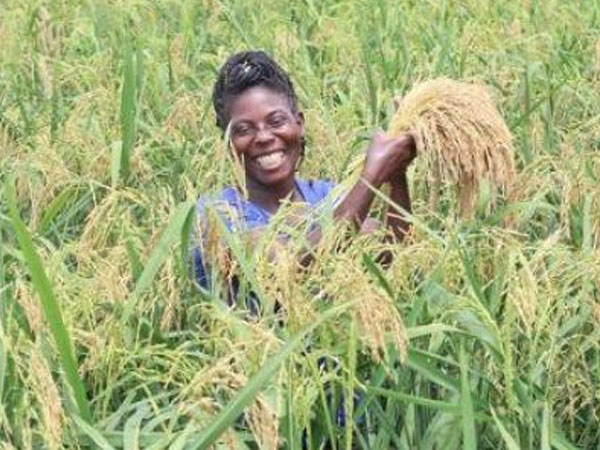
 Brown spot remained the most common rice disease in Western Visayas in May, while stem borer damage and increasing weed infestation emerged as the region’s primary crop protection concerns, according to the latest monthly pest surveillance report of the Department of Agriculture’s Regional Crop Protection Center (RCPC).
Based on the Rice Pests and Diseases Monthly Bulletin for May, released on June 27, brown spot posted a regional incidence of 6.28 percent, making it the most prevalent disease affecting monitored rice fields. Bacterial leaf blight followed at 1.25 percent, while sheath blight was recorded at 0.70 percent.
The RCPC said brown spot incidence has steadily increased since March, suggesting persistent disease pressure likely linked to nutrient-deficient soils, drought stress, poor crop nutrition, and aging rice plants nearing maturity.
In contrast, bacterial leaf blight declined from around 3 percent in March to 1.25 percent in May, indicating reduced disease pressure, while sheath blight remained at relatively low and manageable levels throughout the monitoring period.
The report was based on surveillance conducted in 155 rice fields across selected farming areas in Western Visayas under the Pest and Disease Risk Identification and Management (PRIME) project.
Most monitored farms—about 89 percent—had no standing crop during the survey period, indicating that many farmers had already harvested or were between cropping seasons. Only a small number of fields remained in the vegetative, reproductive, or ripening stages.
Among insect-related injuries, whitehead damage caused by stem borers registered the highest incidence at 3.54 percent, followed by deadheart damage at 0.92 percent and rice bug infestation at 0.61 percent.
The RCPC noted that whitehead injury increased sharply in May, indicating intensified stem borer activity in late-season rice crops, particularly during the heading and grain-filling stages. Deadheart damage, another symptom of stem borer infestation, declined after peaking in April, suggesting fewer new attacks.
Populations of brown planthopper, green leafhopper, rice black bug, and rice green bug remained near zero, with the bulletin noting that no major insect pest outbreak was detected during the month.
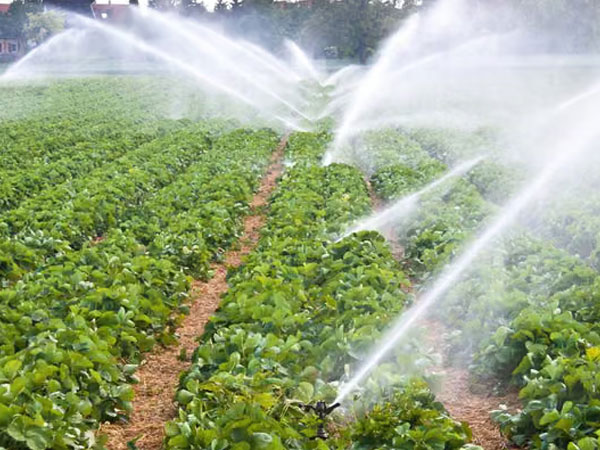
Aside from pests and diseases, weed infestation continued to worsen. Regional weed cover averaged 17.5 percent in May, up from about 5 percent in March and 14 percent in April.
The agency warned that weed cover exceeding 5 percent throughout the crop cycle could significantly reduce rice yields by competing with crops for nutrients, water, and sunlight, while serving as alternate hosts for pests and diseases.
Rat damage, meanwhile, remained minimal at 0.11 percent, declining sharply from April levels, suggesting that existing control measures may be working.
Among the provinces, Iloilo recorded some of the highest incidences of weed cover (19.49 percent), brown spot (7.99 percent), whitehead damage (5 percent), deadheart (1.15 percent), and bacterial leaf blight (1.12 percent).
Antique also posted high weed cover at 20 percent, along with elevated incidences of brown spot, bacterial leaf blight, and rice bug infestation. Capiz continued to report brown spot as its dominant disease, while Aklan recorded relatively low incidences of leaf blast and brown spot. No monitoring data were available for Guimaras during the period.
The RCPC advised farmers to regularly inspect their fields for brown spot symptoms, apply balanced fertilization, plant resistant rice varieties where available, and intensify field scouting for stem borers. It also recommended early weed control through manual or mechanical methods, timely herbicide application when necessary, and continued adoption of integrated pest management and agroecosystem analysis to guide pest control decisions.
The monthly bulletin is part of the Department of Agriculture’s PRIME project, which provides regular surveillance and early warning information on rice pests and diseases to help farmers minimize production losses across Western Visayas./coa






© Copyright 2025 The SSResource Media.
All rights reserved.